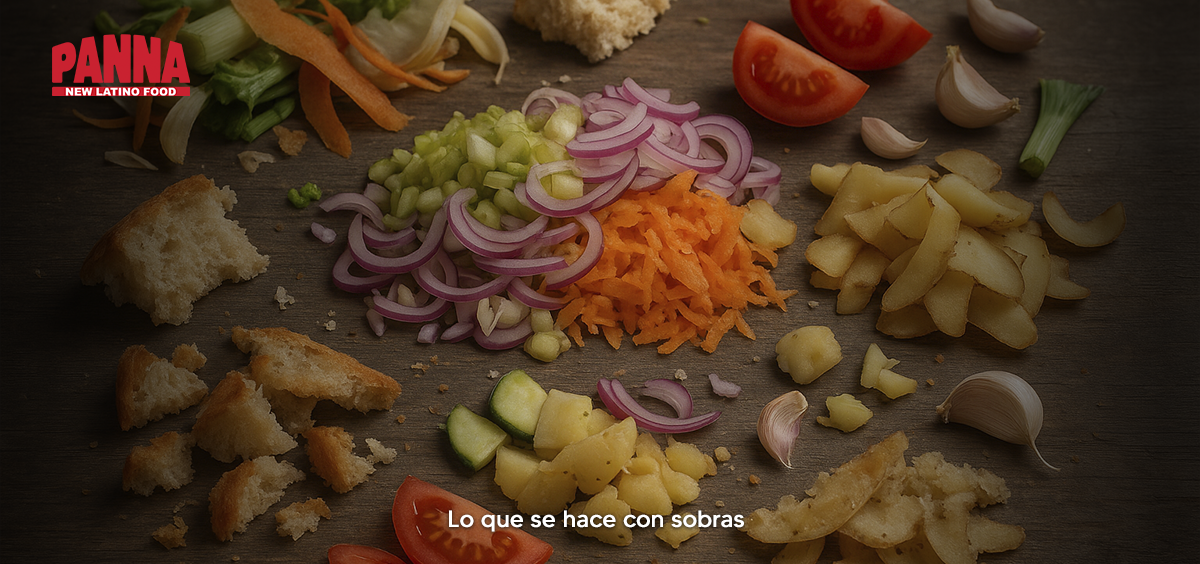
What is Made with Leftovers: In the Venezuelan kitchen, nothing is thrown away. Or rather, everything is transformed. That phrase, so often repeated in our grandmothers’ kitchens, is not just a way to save or “get by”; it is a philosophy of life, an inherited art, and a display of ingenuity that spans generations. In Venezuela, leftovers are not waste—they are the raw material for new flavors.
This creativity applied to what remained from the previous lunch or dinner has generated some of the tastiest, most unexpected, and beloved preparations in our tradition. Today, we want to talk about that collective, silent, and often undocumented talent: criollo culinary recycling. It is a repertoire of formulas, secrets, and next-day twists that turn leftovers into something worth waiting for.
Leftovers: COOKING WITH MEMORY AND ECONOMY
For decades, cooking in Venezuela meant making a little go a long way, planning for several days, and not wasting a single spoonful. Kitchens were spaces of calculation, memory, and well-managed resources. A large pot of black beans (caraotas) could serve for Monday’s lunch, Tuesday’s breakfast, Wednesday’s empanada, and Thursday’s bollito. Sunday’s meat would reappear on Tuesday inside pastelitos or empanadas. Far from feeling like “eating the same thing again,” this process was an opportunity to renew the dish, to surprise with an unexpected turn… to reinvent with flavor.
Leftovers: REUSING THE CRIOLLO WAY: IDEAS THAT DEFINE US
Here are some of the most traditional and flavorful ways to take advantage of leftovers in the Venezuelan kitchen:
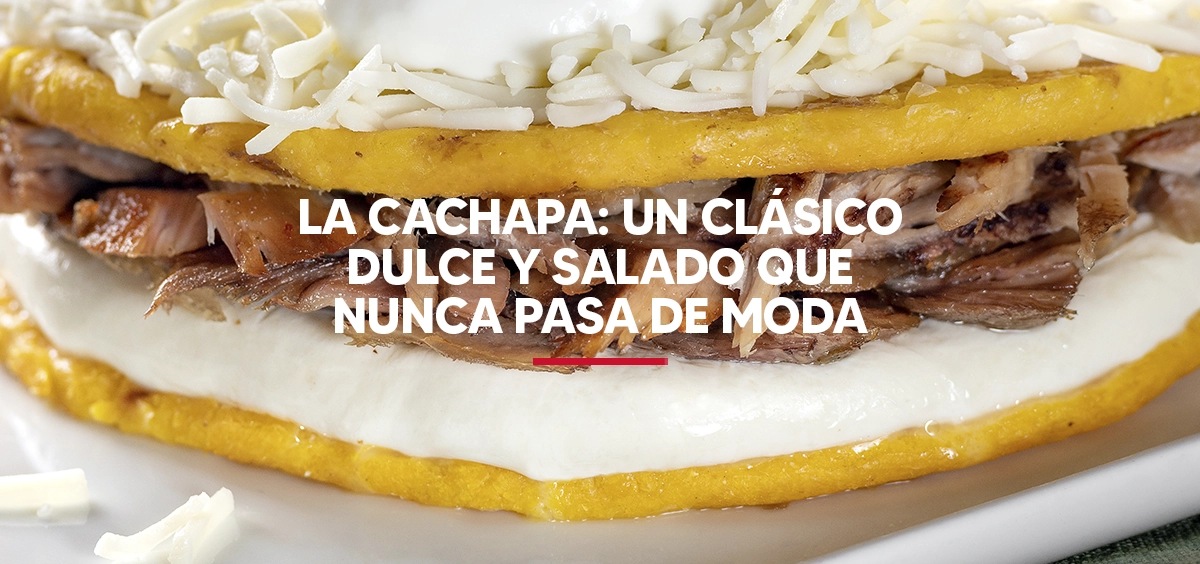
Pork or Chicken: New Lives for the Same Meat: One of the jewels of criollo recycling is the Christmas pernil. After the party, it appears in sandwiches with mustard, in “pelúa” style arepas with yellow cheese, or in baked pies. The same happens with chicken: the next day it can end up in croquettes, pasticho (lasagna), stewed rice, or a cold salpicón with vinaigrette.
Fried Rice, Venezuelan Style: White rice from the day before is pure gold. It can be mixed with egg, vegetables, and shredded chicken to make a criollo “stir-fry” with plenty of garlic and onion. Alternatively, it can become part of a cold salad with mayonnaise, carrots, and peas—ideal as a side dish.
Empanadas and Arepas Stuffed with Everything: Morning empanadas almost always contain something left over from the day before: ground beef, stewed chicken, shredded pork (pernil), or refried beans. The same goes for breakfast arepas. In many homes, leftovers are set aside knowing they will be served between two halves of corn dough the next day—it’s the ultimate craving.
Next-Day Soup, Even Tastier: A good broth, stew, or hervido concentrates as it is reheated. This is why many soups are left to rest overnight before serving. They can be enriched with rice, pasta, sweet plantains, or leftover protein. Reheated soup is a family classic that always tastes better the next day.
Refried Beans: A New Level of Flavor: Black or red beans, if prepared in large quantities, can be reheated the next day with a touch of papelón (raw sugar), fresh sofrito, or grated cheese until they become a thick cream—perfect for spreading or filling. Some fry them with onion and garlic until they reach a purée texture; it’s the perfect filling for an empanada or a piece of casabe.
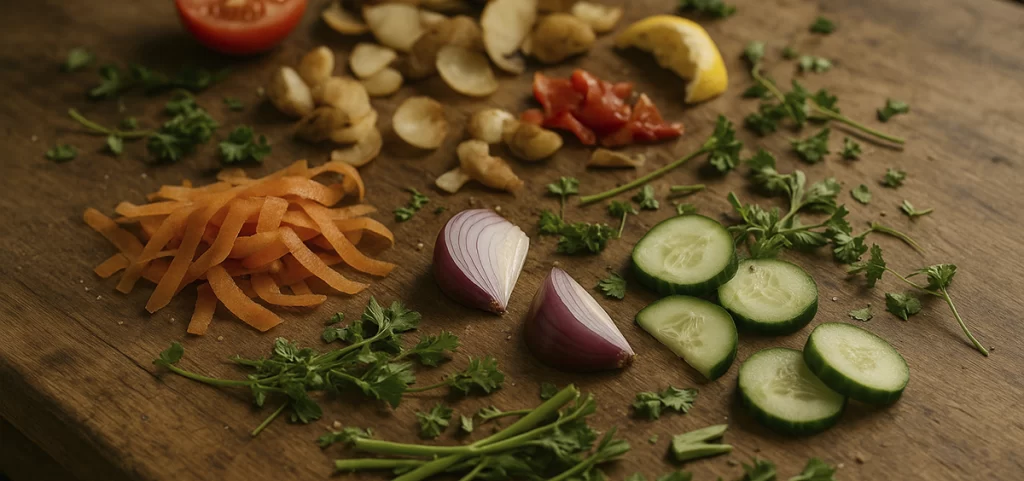
What is Made with Leftovers: CREATIVITY AS A CULTURAL RESPONSE
Beyond the practical, there is something deeply cultural about this way of cooking. Criollo culinary recycling responds to economic reality, yes, but also to a logic of respect: respect for the ingredients, for the effort of the person who cooked, and for the memory that each dish carries. In many homes, creativity was not a luxury—it was a necessity. That is where true art is born: doing much with little and, on top of that, repeating the meal with pleasure.
Furthermore, there is no shame in using leftovers. On the contrary, in Venezuela, we celebrate the ability to make yesterday’s lunch “taste better today.”
REUSING WITHOUT SACRIFICING QUALITY
Some tips we learned at home that remain relevant today:
- Store leftovers in an organized way, in tightly sealed and labeled containers.
- Add fresh ingredients when reheating to revitalize the flavor.
- Use new spices or sauces to transform the profile of the original dish.
- Reheat over low heat… avoid microwaves that “take the soul away” from the food.
- Most importantly, cook with the thought that every bite will be welcomed again if it is well-cared for. That too is hospitality: knowing the dish on the table today has a history.
CULINARY RECYCLING IN TODAY’S WORLD
Today, when food waste is a global problem, this criollo knowledge is more valuable than ever. Recycling food is not just a cultural or economic necessity; it is a sustainable, ecological, and deeply ethical practice. At PANNA, we want to pay tribute to that folk wisdom that taught us that white rice, a spoonful of beans, or a piece of sweet plantain can, with creativity, become the soul of a new dish.
Look at your fridge through the eyes of a criollo chef… and transform.
CELEBRATING OUR ROOTS
At PANNA, we celebrate the roots of our popular cuisine, but we always cook with fresh ingredients, made-to-order preparations, and recipes cared for down to the last detail. We know that true art lies in combining tradition with excellence. That is why in every dish, we pay homage to that criollo wisdom of doing more with less, without ever losing quality.
If you are moved by the memory of the family stove but want to experience it with all the flavor of the present, come to PANNA… here, every bite honors history but is served fresh.