If there is a sweet time of the year when Venezuela becomes more itself, it’s in December. The house smells different, the kitchen never rests, and the air fills with a perfect mix of aromas, laughter, and music. In every neighborhood, every town, every apartment in every city, the Christmas spirit is announced by the sound of a pot of hallacas, the pan de jamón browning in the oven, and the sweets waiting their turn to close the dinner. Because there is no Venezuelan Christmas without dessert, without that touch of sugar that puts the final period on the feast and seals the memory.
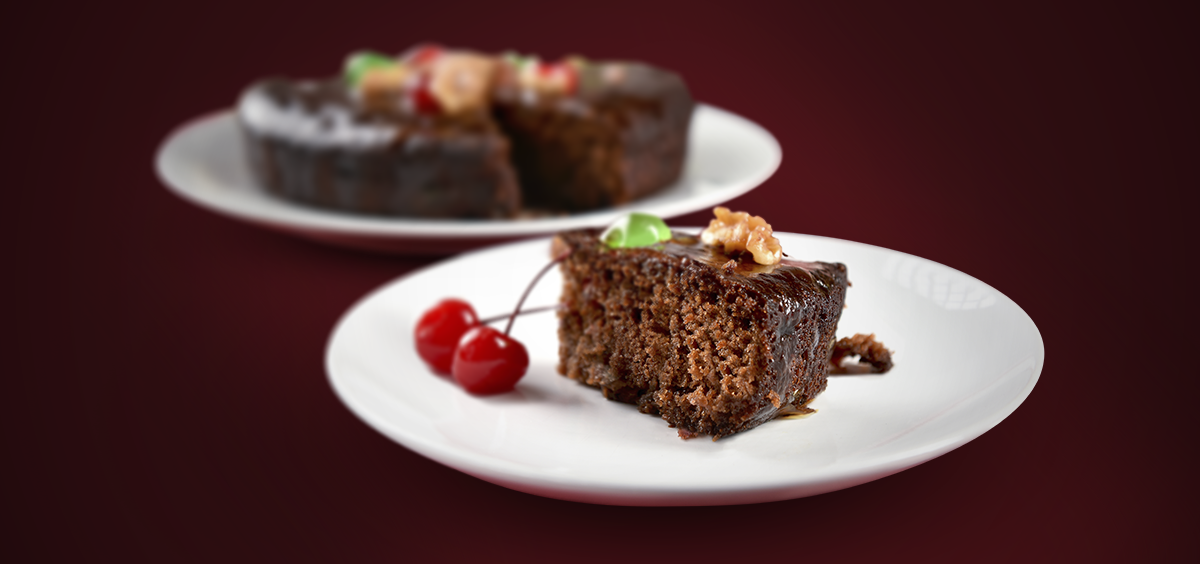
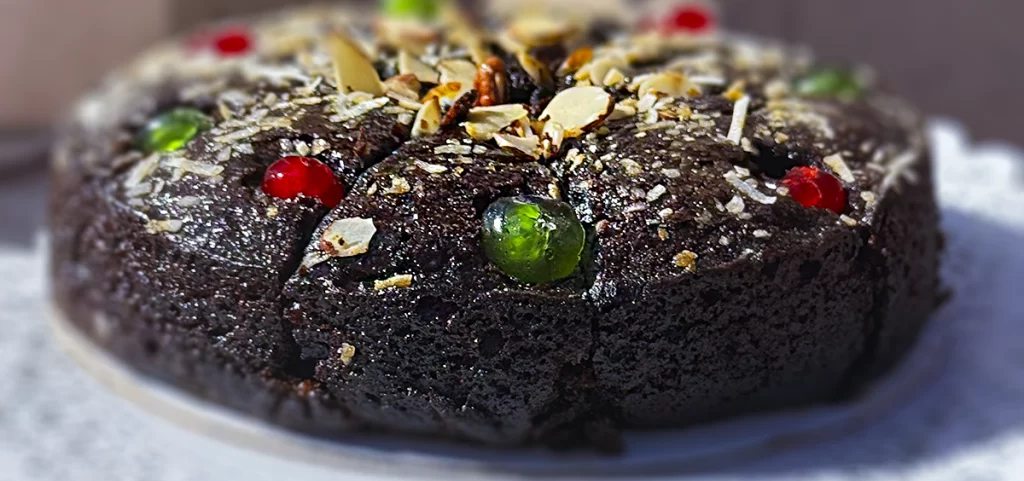
The December Venezuelan sobremesa (after-dinner conversation) has an unmistakable personality. It doesn’t need grand gimmicks, just honesty, affection, and that touch of ingenuity that turns the simple into the extraordinary. In one corner appears the quesillo, with its caramel shine and smooth texture; in another, the torta negra (black cake), dense, perfumed with rum and macerated fruits; and right next to it, dulce de lechosa served cold, cut into imperfect chunks, bathed in its clear syrup. Meanwhile, someone offers ponche crema in small glasses, and the sound of the toast mixes with the gaitas that are never missing. That is our Christmas: sweet, loud, and deeply affectionate.
SWEETS THAT HOLD HISTORY
Venezuelan sweets have always been a mirror of its people: creative, diverse, and warm. Christmas desserts, in particular, are the result of centuries of mixing European, local (criollo), and homemade traditions. The torta negra, for example, originates from the English fruitcake tradition, but in Venezuela, it adopted new flavors: papelón (raw cane sugar), guava, Muscat wine, dark rum, and a generous dose of patience.
The quesillo, our national pride, combines Spanish heritage with local simplicity; it is made with whatever is around—milk, eggs, sugar—and it always turns out well, even in inexperienced hands. And dulce de lechosa, that treasure from our grandmothers, was born from the colonial custom of preserving fruit in syrup, but with the tropical seasoning that sets us apart.
Every recipe is passed down with the same devotion used to keep a story. There are families where quesillo is only made in an aluminum mold “because it doesn’t set the same in glass”; others where the torta negra is baked three days ahead “so it catches the flavor”; and many where dulce de lechosa is prepared while listening to gaitas, because “if there is no music, it doesn’t come out the same.” They are small details, but they reveal what is essential: in Venezuelan sweets, the secret isn’t in the recipe, but in the ritual.
A SOBREMESA THAT UNITES AND HEALS
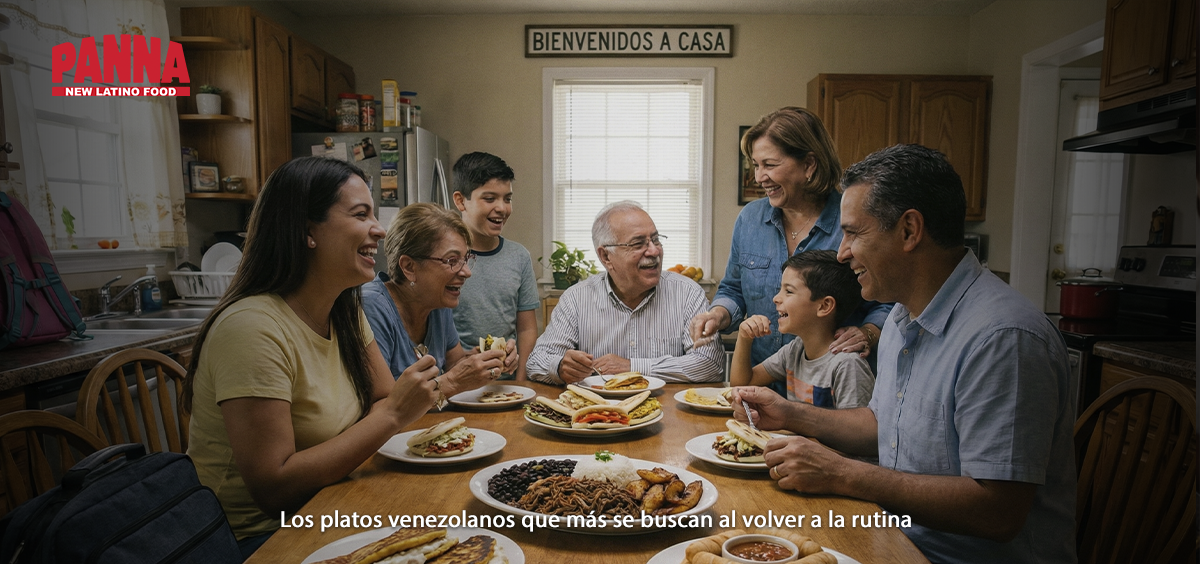
After the dinner on the 24th, when the hallacas are already a memory and the pan de jamón has left crumbs on the tablecloth, the moment everyone waits for arrives: the sobremesa. The coffee is served hot, the ponche crema gets a little colder, and the atmosphere relaxes. Nobody is in a rush. The kids run around, the adults talk, and the desserts go around amidst laughs and anecdotes.
In those slow hours, the sugar does its silent work: it softens exhaustion, calms nostalgia, and prolongs joy. Because Venezuelan sweets aren’t a luxury; they are a form of affection.
Even outside the country, the custom survives with the same emotion. In Miami, Madrid, or Santiago, Venezuelans recreate their desserts with the ingredients they can find, improvising when necessary and celebrating when the result transports them home. Because what you miss isn’t just the flavor, but the moment: that instant when someone cuts the quesillo, offers a piece of cake, or pours a glass of punch, and Christmas seems to last just a little bit longer.
AT PANNA, CHRISTMAS IS SERVED SWEET
At PANNA, Christmas tastes like traditional dessert. From the all-time classics to the freshest versions, every sweet we prepare carries the intention of keeping alive that tradition that unites us. The quesillo is made with fresh milk and caramel slow-cooked over low heat; the torta negra with macerated fruits and the exact balance of spices; the dulce de lechosa with patience, until achieving that amber color that announces perfection. And when they reach the table, they don’t just sweeten the palate; they also awaken memories.
Because every December, at PANNA, we don’t just celebrate a [holiday, we celebrate the flavors that make us feel at home].