Beans: There is no such thing as a Venezuelan kitchen without a pot of beans bubbling on the stove. That unmistakable scent, somewhere between sweet and smoky, drifts through every corner of the house from early morning. It announces that a delicious meal is on the way, likely to be served with white rice, fried sweet plantains, and some protein on the side.
But beans—or as we call them in Venezuela, caraotas—are not just another side dish. They are a profound symbol of culinary identity, an expression of our roots, and even a source of debates that divide regions and families: Sweet or salty? Black or red? With papelón (raw cane sugar) or with dry seasoning?
At the center of it all is a key character: the caraotero or caraotera. This figure, whether real or symbolic, knows the exact cooking times, the perfect point for the sofrito, and the secret to beans that truly “soak up the flavor.” Today, we want to talk about them and our beloved caraotas, which are much more than just a simple grain.
Beans: A STORY THAT BEGINS IN THE EARTH
Before becoming the stars of the plate, beans were cultivated by the indigenous peoples of the Americas since pre-Hispanic times. In the territory that is now map-defined as Venezuela, caraotas were already being planted and consumed in multiple ways when the colonizers arrived. In fact, the bean is one of the three fundamental ingredients of the so-called “Mesoamerican triad,” along with corn and squash (auyama)—the nutritional foundation of many ancestral cultures on the continent.
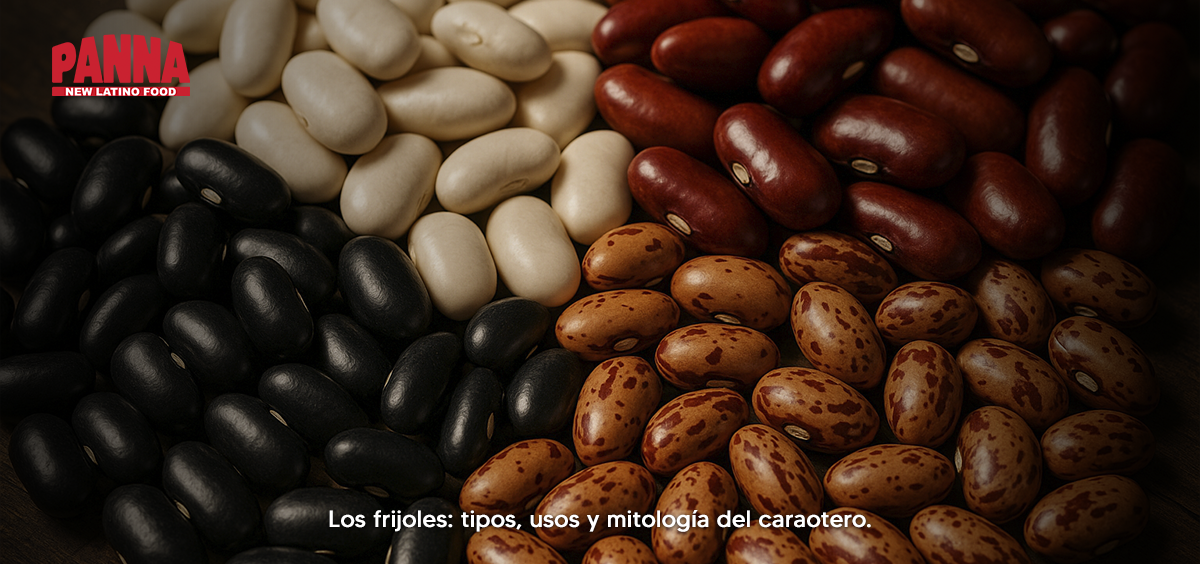
In our country, the most common are black beans (caraotas negras), but red ones (more present in the Andes and the Plains), white ones, and speckled ones are also well-known. Each type has its own texture, flavor, and “personality.” Most fascinatingly, there is no single recipe; every home has its own. Some soak them overnight. Others add a pinch of baking soda or even a mango leaf. There are those who start with papelón and those who never skip a touch of cumin.
Beans: SWEET OR SALTY: A NATIONAL BATTLE
Few culinary discussions are as heated as this one: —”Do you eat your beans sweet?” —”Of course! And you? Salty? How outrageous!”
The caraoteros from the eastern and central regions usually add papelón or sugar at the end of the cooking process. For them, the contrast with rice and fried plantains is a symphony. On the other hand, in the Andes or the western part of the country, the salty and spiced bean is king. Sweet pepper (ají dulce), onion, garlic, bell pepper, bay leaf, and even smoked bones go into the pot. No sweetness. All character.
And what’s wrong with that difference? Nothing. Venezuela fits into a single bean, but not into a single way of cooking it.
Beans: THE FIGURE OF THE “CARAOTERO”: MASTER OF THE PERFECT POINT
Almost every family has someone who earned the reputation of being the “caraotero.” That person who knows exactly when they are tender, who controls the salt with a single flick of the wrist, and who masters the art of stirring without breaking them apart.
The caraotero watches over the pot like an artist over a masterpiece. There is respect for the low flame, for time, and even for silence. Because beans made in a hurry taste like just that: a hurry. Often, this mastery is inherited. It is passed down with phrases like “add a drizzle of oil to the water,” “cover it when it starts to boil,” or “don’t stir them too much or they’ll get mashed.” Caraotero wisdom isn’t learned in books; it’s learned by watching, smelling, listening to the simmer, and knowing that if the kitchen smells like beans, the house is alive.
BEANS, YES… BUT ALSO SALAD, SOUP, FILLING, AND AREPA
Although we usually think of them as an accompaniment to the pabellón criollo, beans have impressive versatility.
- In Andean cuisine, they are eaten as a thick cream or soup with cilantro, potato, and sometimes a bit of spice.
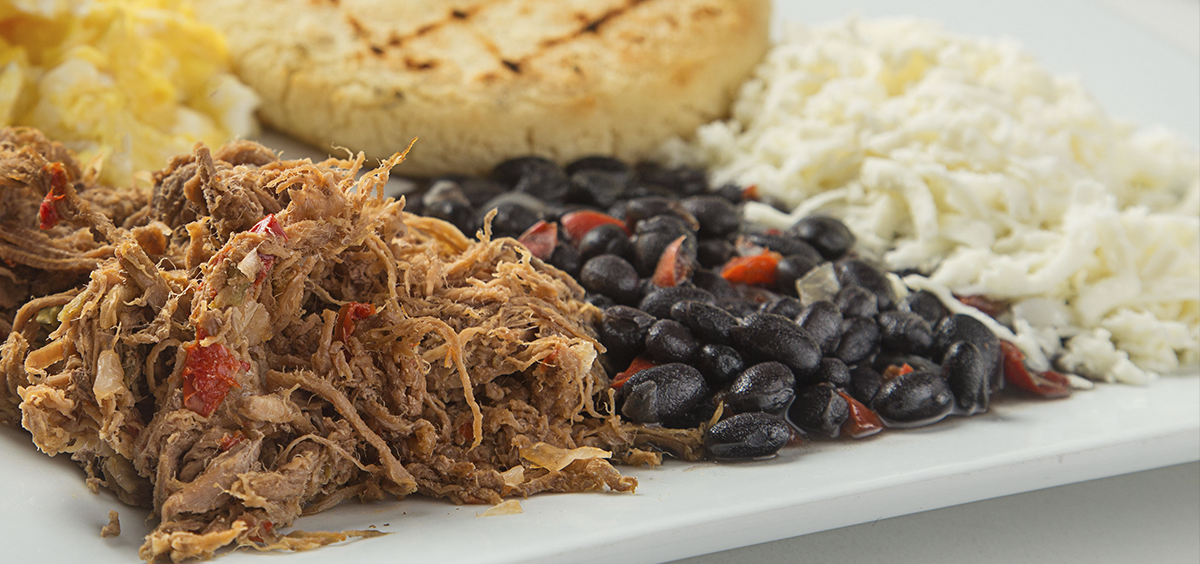
- In the Plains (Llanos), they are served with grated white cheese and grilled arepas.
- In the East, they fill empanadas or bollitos as refried beans.
- Among the health-conscious, they’ve become a base for bowls, cold salads, and even “criollo hummus.” The caraota adapts, but it never loses its roots.
AND AT PANNA, HOW DO WE SERVE THEM?
At PANNA, we know a pabellón isn’t a pabellón without well-made beans. That’s why we cook them just like at home: with a slow sofrito, no shortcuts, and the respect this grain deserves. They aren’t just a filler; they are a protagonist. That’s also why we use them to fill arepas, accompany breakfasts, or as part of our criollo platters. Every spoonful carries history, flavor, and that wink from someone who knows that good things take time.
THE BLACK FLAVOR THAT UNITES US
Beans don’t just nourish; they tell a story. They speak of the countryside and the city, of pressure cookers and budares, of family Sundays and school lunchboxes. They speak of who we are.
So next time you order a pabellón, a “domino” arepa, or anything delicious with beans, remember you are eating more than just legumes: you are eating a piece of history. And if you want that exact flavor you had back home, come to PANNA, where we know that memory is also served with a spoon.