Have you ever wondered how the idea of restaurants was born? It might seem like a modern concept, but the truth is that restaurants have a history that has been simmering for centuries. And no, they didn’t start with chefs in tall white hats or plates decorated with edible flowers.
The first establishment to call itself a “restaurant” was opened by a man named Boulanger in Paris in 1765. He sold broths and hot dishes at any time of the day—undoubtedly innovative for that era. The name “restaurant” came from the French restaurer, which means “to restore,” referring to food as something that replenishes both the body and the soul. (This is why, in many countries, the restaurant industry is still referred to as “restoration.”)
However, this doesn’t mean it was the first place to serve food to the public. In fact, the oldest restaurant in the world still in operation is Sobrino de Botín in Madrid, founded in 1725, according to the Guinness World Records. Traditional Castilian food was served there, and the original wood-fired oven is still in use today!
Before these dates, taverns, inns, and eating houses fulfilled similar roles, but without a fixed menu or set hours. The shift happened when Boulanger structured a system where the food was the center of the business, marking the birth of the restaurant as we know it today.
RESTAURANTS AS A REFLECTION OF CULTURE
From that Parisian broth to today’s digital menus, restaurants have evolved alongside society. In Latin America, they transformed into spaces for family gatherings, social protests, birthplaces of cultural movements, and showcases for national identity.
In Venezuela, for example, areperas, grill houses (parrilleras), and roadside diners played a fundamental role in spreading regional flavors and the rise of family businesses that, in many cases, evolved into chains or franchises. But the restaurant experience is not just culinary; it is also cultural, emotional, and social. We go to a restaurant not just to eat, but to share, celebrate, converse, or simply reconnect with who we are.
SURPRISING FACTS
- The Veteran: The oldest restaurant in the world, Sobrino de Botín (Madrid, 1725), was mentioned by Ernest Hemingway in his book The Sun Also Rises, and it even had the painter Goya working as a dishwasher or waiter before he became famous.
- Ancient Menus: In China, during the Song Dynasty (960–1279), specialized eating houses existed, offering à la carte service with dishes from different regions and even reservations.
- The Printed List: The first physical menu as a printed list of dishes became popular in France in the mid-19th century. Before that, everything was ordered “by ear” from the cook.
- Political Hubs: Latin American fondas and pulperías in the 19th century didn’t just serve food; they were social, political, and sometimes even clandestine centers.
- Japanese Tradition: The first recorded restaurant in Japan was Komagata Dozeu in Tokyo, opened in 1801… and it’s still running, serving loach (a river fish) cooked in miso.
HOW DO WE LIVE THIS HERITAGE AT PANNA?
PANNA was born 25 years ago with that same simple and powerful idea: to offer food that restores, comforts, and connects. And although the 21st century has brought us apps, deliveries, and digital menus, at PANNA we still believe in the basics: a great product, excellent service, and a lot of love in the kitchen.
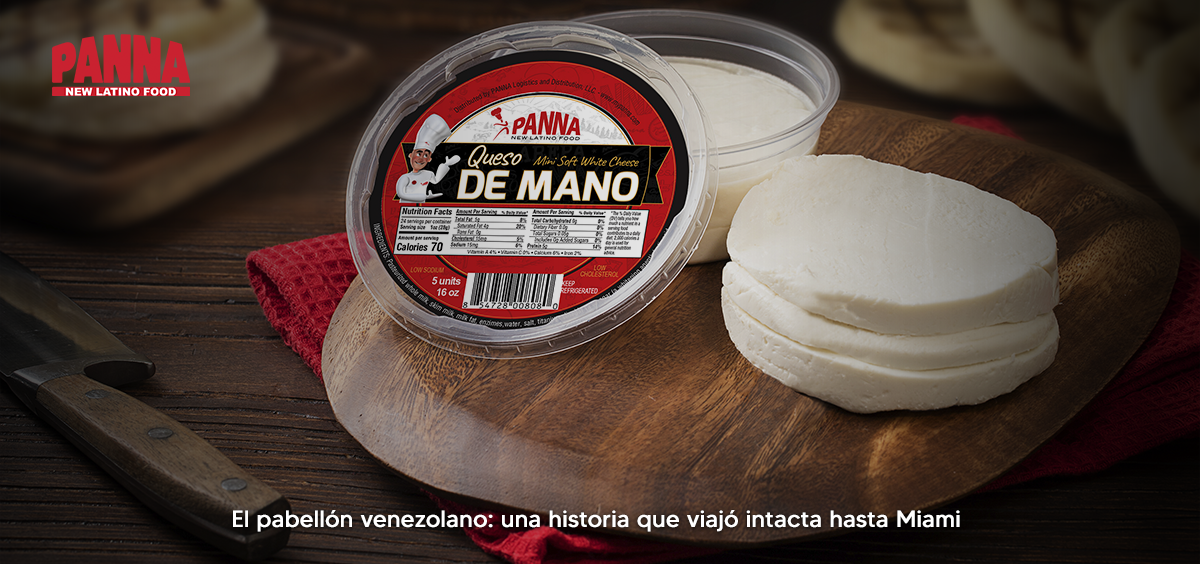
In our overstuffed arepas, in those tequeños that stretch with real cheese, or in that pabellón that smells like Sunday at grandma’s house, there is more than just flavor. There is history, roots, identity, and emotion. We started as a single location, but today we are four spots in Miami that continue to cook with the soul of a home.
HUNGRY FOR HISTORY AND THE TRUTH? COME TO PANNA
Discover why, after centuries of evolution, the best restaurant is the one where they make you feel at home. We look forward to seeing you at any of our Miami locations, or you can place your order online and take home a piece of tradition with all the flavor of our culture.