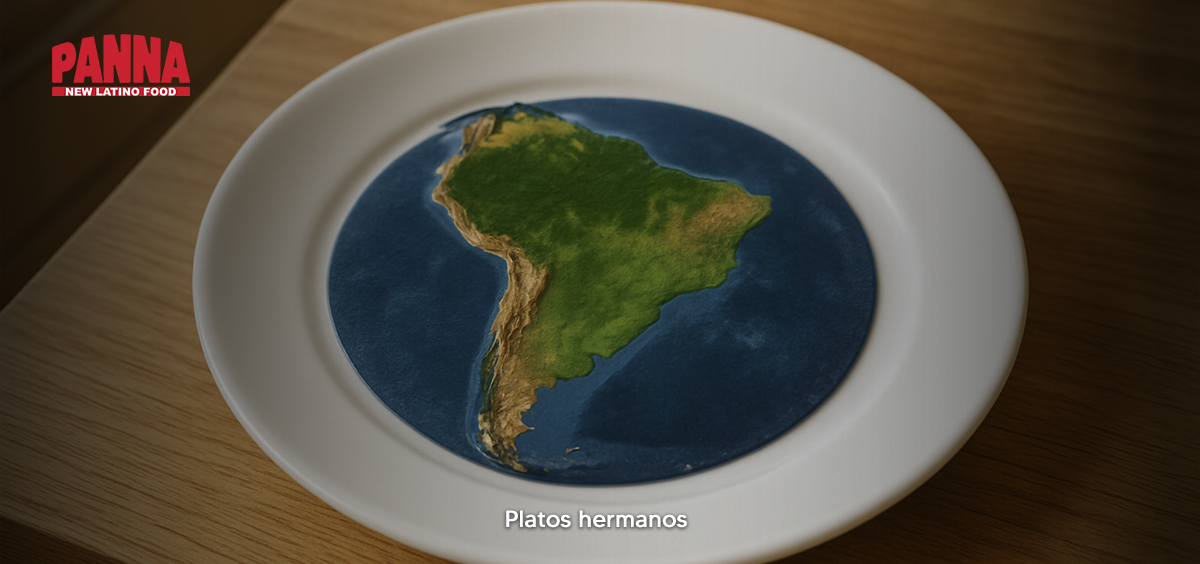
Sister Dishes; To speak of empanadas in Latin America is to speak of family, shared roots, and flavors that transform according to the land where they are born. Although each country has added its personal touch, they all have something in common: they are a food that combines practicality, history, and culture. From the Andean mountains to the Caribbean coasts, the empanada reinvents itself, yet remains a symbol of unity and identity.
In Venezuela, empanadas are an inseparable part of daily life, from breakfast at the beach to improvised dinners at home. However, we are not alone in this tradition; in countries like Bolivia, Chile, and Peru, the empanada also holds a prominent place at the popular table. Today we want to explore these similarities and differences to understand why, even as recipes change, we are still talking about the same “sister dish.”
Sister Dishes: THE VENEZUELAN EMPANADA: THE FLAVOR OF CORN
In Venezuela, the empanada is inseparable from corn. Unlike other countries where wheat dough predominates, here the star is the dough made from pre-cooked cornmeal. Fried to a golden brown in hot oil, Venezuelan empanadas win you over with their crispy exterior and soft interior.
The fillings are infinite, though there are classics that are never missing: shredded white cheese, shredded beef (carne mechada), stewed chicken, baby shark (cazón) in coastal areas, or even modern combinations like black beans with cheese (dominó). The Venezuelan empanada is not just food; it is a ritual: eaten in the morning accompanied by coffee, enjoyed at the beach with a maltica, and always the preferred choice when looking for a hearty and savory treat.
Sister Dishes: BOLIVIAN EMPANADAS: BETWEEN THE OVEN AND CHILI
In Bolivia, the most representative empanada is the salteña, a preparation that differs radically from the Venezuelan version because it is baked and not fried. Its dough is made of wheat, slightly sweet, and its filling is typically juicy and spiced, featuring beef or chicken accompanied by potatoes, peas, and, above all, a touch of spicy chili (ají) that gives it character.
Salteñas are not eaten at just any time: in Bolivia, they have their specific moment, generally mid-morning, as part of a tradition of pausing and gathering. It is said that eating a salteña without staining yourself with its juice is an art form, confirming that behind this dish lies history, technique, and national pride.
Sister Dishes: CHILEAN EMPANADAS: THE WEIGHT OF TRADITION
Chile also has its unmistakable version: the empanada de pino, considered a symbol of the Fiestas Patrias (national holidays) and the country’s culinary identity. This empanada is prepared with wheat dough and is baked, achieving a firm texture that encloses a consistent stew of ground or minced beef, onions, olives, raisins, and hard-boiled egg.
Unlike the Venezuelan empanada, which is usually individual and eaten as fast food, the Chilean version is substantial—almost a full meal. Its role in Chilean gastronomy is so strong that there is no national celebration without empanadas, and its preparation is passed down from generation to generation as part of a cultural legacy.
PERUVIAN EMPANADAS: THE LIMEÑO TOUCH
In Peru, empanadas are heirs to the Spanish tradition but with a criollo seal that makes them unique. They are usually baked, with wheat dough dusted with powdered sugar on top, giving them a very particular sweet-and-savory contrast. The most common filling is meat seasoned with onion, garlic, olives, and hard-boiled egg, although there are also variants with chicken or seafood in coastal areas.
In Lima, it is typical to find them in bakeries and fairs, accompanied by a touch of lime juice and chili for those who enjoy heat. The Peruvian empanada, though different in presentation, shares with the rest of the region that function of being a versatile, accessible, and flavor-packed food.
[Image comparing different types of Latin American empanadas by dough and cooking method]
ONE DISH, MANY STORIES
Comparing these empanadas reveals how a single culinary concept can transform according to geography, available ingredients, and local customs. While corn and frying reign in Venezuela, the oven and chili dominate in Bolivia; the strength in Chile lies in the pino stew, and in Peru, it’s found in that delicate balance between sweet and savory.
All of them, however, fulfill a common role: they are food that accompanies daily life, shared in celebrations, and uniting people around a table. The empanada, in any of its forms, is a living example of how Latin American gastronomy is connected through diversity and tradition.
AT PANNA, THE EMPANADA AS AN EMBLEM
At Panna New Food Latino, we celebrate this diversity, but we proudly offer the empanadas that are part of our authentic proposal: the Venezuelan, with its corn dough and local fillings; the Colombian, with its particular style and seasoning; and the Argentine, with its heritage from the Southern Cone.
They are different from each other, but they share something essential: that honest, homemade flavor that brings people together. Whether you come looking for a memory of your childhood in Venezuela or you want to discover a new Latin American flavor, at Panna you will always find the perfect empanada for your craving.
Come discover them in Miami and see for yourself why, beyond borders, empanadas are sister dishes that tell stories with every bite.