If you’ve ever tasted a hearty broth, a piece of aged cheese, or a slow-cooked stew and felt a deep, hard-to-describe, but completely addictive flavor… then you already know Umami.
This Japanese term has become popular in recent years, but the truth is that we Venezuelans have been enjoying this flavor all our lives without even knowing it. From a well-stuffed pabellón to a plate of asado negro with its dense, glossy sauce, umami has always been present at our table.
If you’ve ever wondered why some foods are simply irresistible, keep reading. We’ll explain what umami is, how it was discovered, and where to find it in Venezuelan cuisine.
WHAT IS UMAMI?
Umami is known as the fifth taste, alongside sweet, salty, sour, and bitter. The word comes from Japanese and roughly translates to “delicious” or “savory.”
This taste was identified in 1908 by Japanese scientist Kikunae Ikeda, who discovered that glutamate—an amino acid present in certain foods—is responsible for this unique gustatory sensation. Umami is described as a deep, long-lasting flavor that coats the tongue and leaves a pleasant sensation on the palate. It’s not sweet, salty, sour, or bitter… it’s something more, something that makes us want to keep eating.
HOW DO YOU IDENTIFY UMAMI IN FOOD?
Umami isn’t always easy to spot at the first bite, but once you know what to look for, you’ll recognize it in many dishes. Some foods naturally rich in umami include:
- Ripe tomatoes
- Aged cheeses (like Parmesan or Queso Llanero)
- Slow-cooked meats
- Concentrated broths and stews
- Dried or fermented seafood
- Mushrooms (like Shiitake or button mushrooms)
The key to umami lies in glutamate and other natural compounds that enhance flavor, making dishes more intense and appetizing.
UMAMI IN VENEZUELAN GASTRONOMY
Even though the term comes from Japan, umami has always been the backbone of our kitchen. Venezuela, with its diversity of ingredients and love for well-seasoned stews, offers many iconic examples of umami-rich dishes:
- Asado Negro: That dark, shiny glaze—the result of caramelizing papelón and slow-cooking the beef—is an umami bomb. As the meat absorbs the juices and spices, it becomes a flavor explosion.
- Shredded Beef (Carne Mechada): Meat cooked for hours in its own juices with tomato, onion, and garlic becomes saturated with umami, making it one of our tastiest ingredients.
- Aged Cheeses: In Venezuela, Queso Llanero and Queso de Año are the epitome of umami. The aging process concentrates natural glutamate, meaning every sprinkle over a hot dish releases an unmatched intensity.
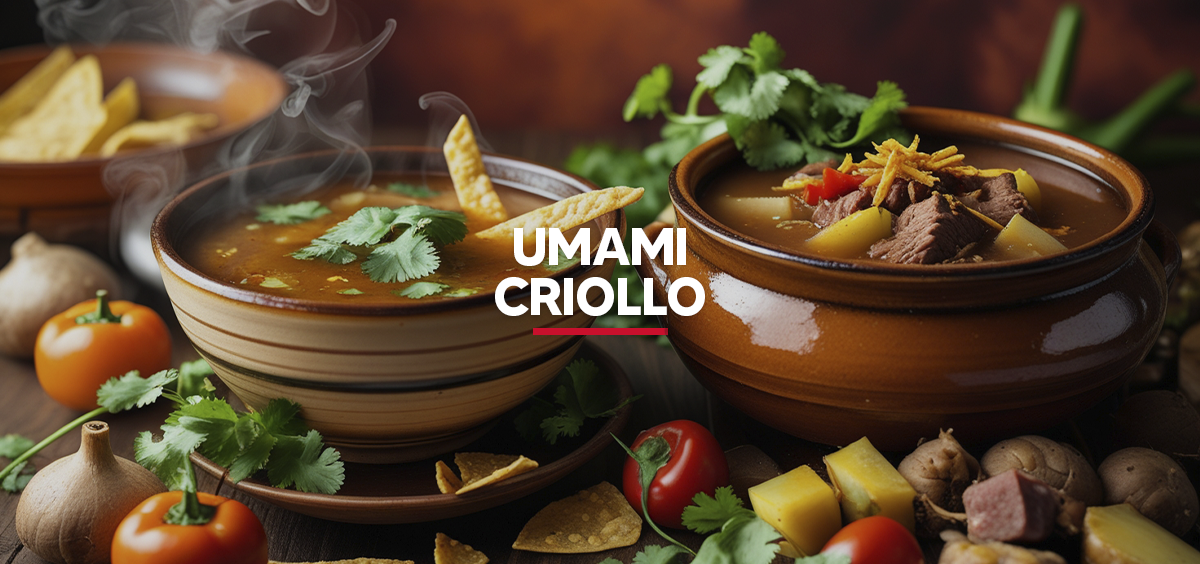
- Sancochos and Hearty Broths: A good sancocho simmered for hours with meat, bones, and vegetables develops a massive umami profile. That thick, substantial broth is the perfect definition of this taste.
- The “Fosforera”: This thick seafood soup, loaded with garlic, onion, and peppers, is pure umami in every sip. As the seafood slow-cooks, it releases compounds that intensify the flavor.
WHY DOES UMAMI HOOK US?
Umami has an almost addictive effect on our brain. When we eat something rich in umami, our taste buds and the brain’s reward system are activated, generating a sense of pleasure and satisfaction. That’s why umami-heavy dishes feel so comforting and hard to put down. It’s as if our body is saying: “This is exactly what you need.”
EXPERIENCE VENEZUELAN UMAMI AT PANNA
If reading this made you crave deep, delicious flavors, PANNA has the best of Venezuelan gastronomy waiting for you. From our empanadas and arepas stuffed with carne mechada or queso llanero, to our signature pabellón or pernil (roast pork) dishes, every bite is packed with umami.
Come to PANNA, where every dish is an experience full of flavor and tradition. We’ll see you there!