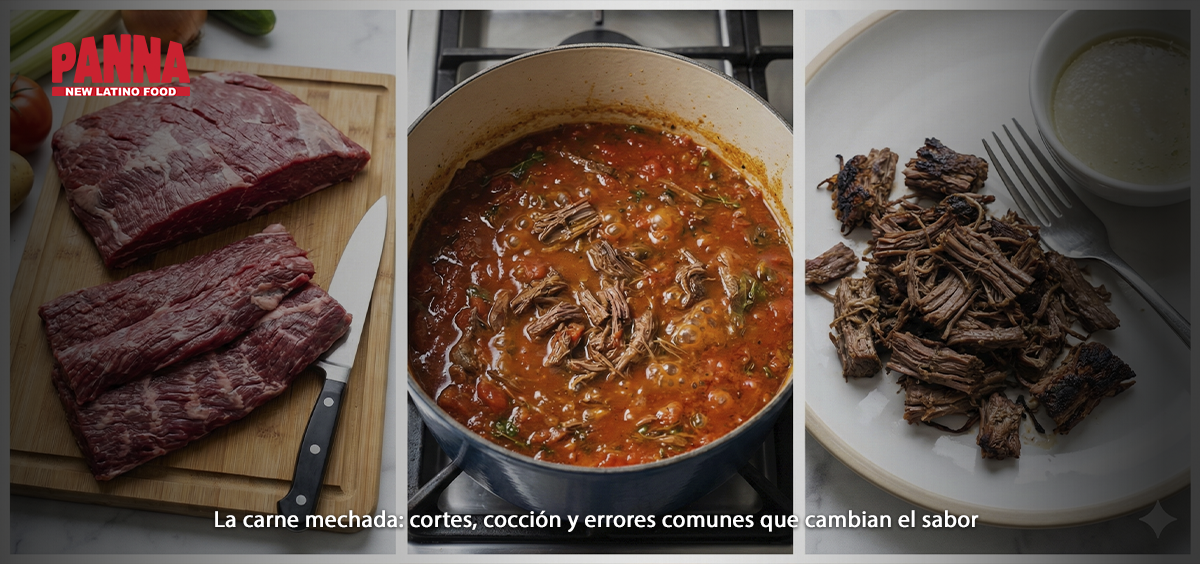
Carne mechada (shredded beef) needs no introduction at the Venezuelan table. It has always been there, as part of weekday lunches, full meals, and combinations that define how we eat. It’s not a holiday or occasional dish; it’s a base preparation, one of those recipes repeated because they work and, when done right, you never get tired of them. However, while it seems simple, carne mechada has clear rules.
When ignored, the result completely changes, loses its character, and stops tasting the way it should. In Venezuelan cuisine, carne mechada isn’t improvised. It’s planned starting from the cut of meat, cooking times are respected, and it’s integrated carefully with the aliño (seasoning base). You don’t chop it, you don’t shred it randomly, and you don’t rush it. You shred it by hand (esmechar), as we’ve always said, and that action says a lot. Understanding how to do it right means understanding why this dish remains a pillar of everyday Venezuelan food.
THE CUT MATTERS, A LOT The first step to a good carne mechada is choosing the right cut. In Venezuela, flank steak (falda), eye of round (muchacho redondo), or bottom round (muchacho cuadrado) are traditionally used. These cuts handle long cooking times well and allow for shredding without losing juiciness.
It’s not about using just any meat, but one with long fibers and the right amount of fat. If a very lean or overly tender cut is chosen, the meat dries out or breaks poorly. The result might be edible, but it’s not carne mechada. The right texture should let the strands separate easily, keeping their body and flavor. That texture is what later mixes into the stew and absorbs the aliño without disappearing.
SLOW COOKING: WHERE EVERYTHING IS DEFINED Carne mechada is first cooked whole, in water or broth, until soft enough to shred. This step allows no shortcuts. Over medium heat, with time and patience, the meat releases its flavor and gets ready for what comes next. Undercooking leaves tough fibers; overcooking makes it mushy. The exact sweet spot is essential.
Once cooked, let it rest a bit before shredding it. You don’t do it while it’s hot or in a rush. The strands are separated by hand or with a fork, respecting the meat’s natural grain. This detail marks the difference between well-made carne mechada and simply broken meat.
THE ALIÑO AND THE FINAL STEW After shredding, the meat is mixed with the aliño. Onion, garlic, sweet pepper (ají dulce), and bell pepper are the base. Everything is sautéed calmly before adding the meat, letting the aromas develop. Then, the meat is added and left to stew just long enough to absorb the flavor without drying out.
Here is where one of the most common mistakes happens: over or under-stewing. If undercooked, the meat is bland. If overcooked, it dries out. Carne mechada should be juicy, well-soaked in the stew, but with a defined texture. It shouldn’t look like a paste or a uniform, characterless filling.
FREQUENT MISTAKES THAT CHANGE THE RESULT One of the most common mistakes is chopping the meat instead of shredding it. While it might seem like a shortcut, the result is a different dish. Chopped meat doesn’t behave the same in the stew or the final dish. It loses structure and doesn’t hold flavor the same way.
Another common mistake is drowning it in sauce. Carne mechada shouldn’t swim in liquid. The stew should be enough to coat it, not hide it. It is also common to add ingredients that don’t belong, like excessive heat or spices foreign to the tradition, altering its classic profile.
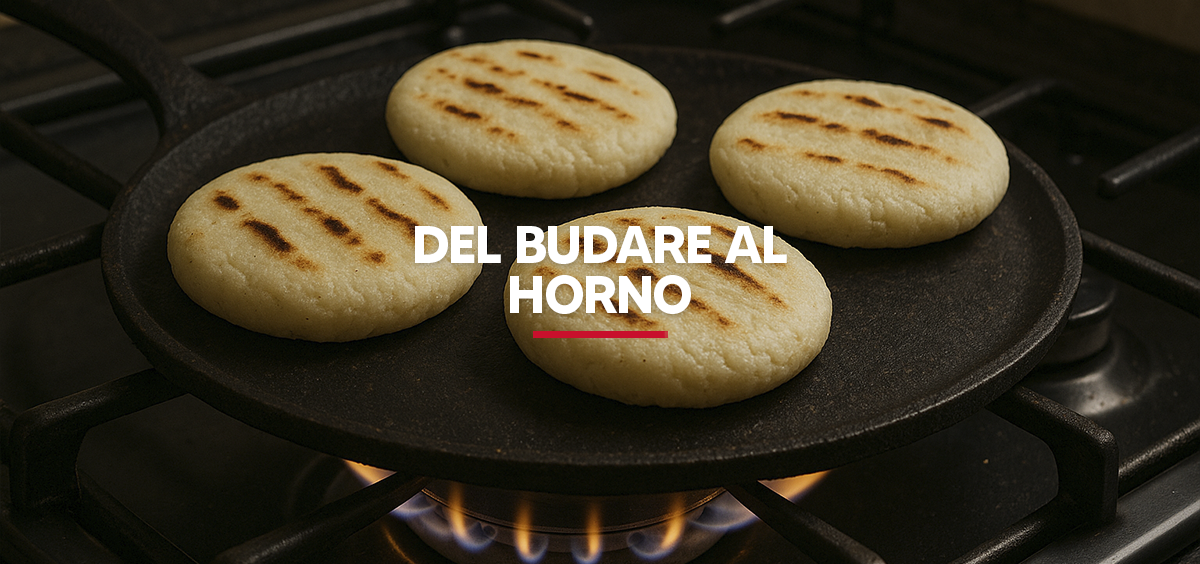
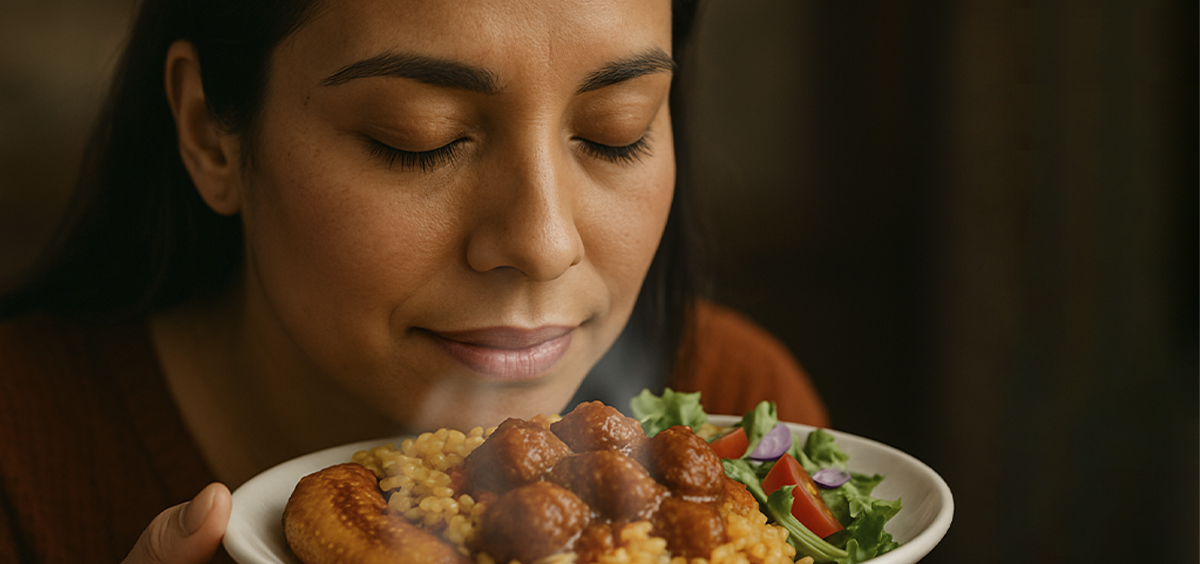
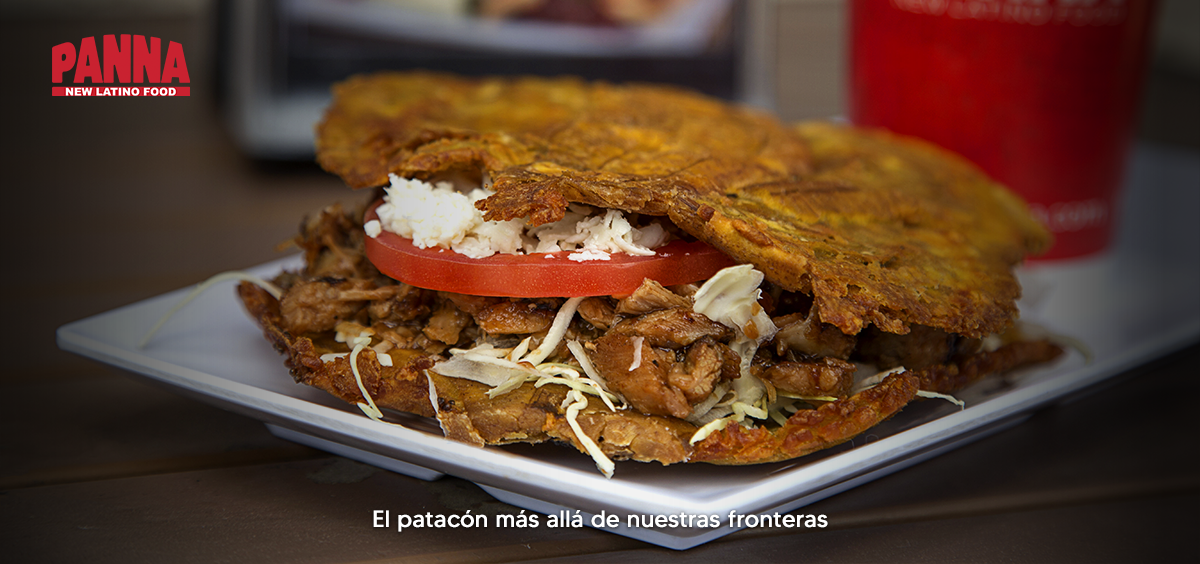
EVERYDAY USES OF CARNE MECHADA Carne mechada is versatile, but always within a clear framework. It works as part of the pabellón criollo, served with white rice, black beans, and sweet plantains. It also fills arepas, empanadas, and cachapas, or accompanies heavy breakfasts. In all cases, it keeps its identity.
No matter where it appears, carne mechada always plays the same role: providing deep flavor and a recognizable texture. That’s why it is cooked in large batches and reused during the week. It gets better as it rests and adapts without losing character.
A DISH THAT DEFINES A WAY OF COOKING Carne mechada perfectly summarizes the logic of Venezuelan cuisine. It is a preparation that demands time, respect for the process, and attention to detail. It doesn’t look for sophistication or surprise; it looks for consistency. Done right, it holds up full meals and entire routines.
For those looking for authentic Venezuelan food, even abroad, carne mechada is a clear benchmark. Recognizing its texture, flavor, and perfect point means recognizing well-understood cooking.
AT PANNA, CARNE MECHADA IS DONE RIGHT At PANNA, carne mechada is prepared following this traditional logic. We choose the right cut, respect the slow cooking, and craft the stew with patience. We don’t chop, we don’t rush, and we don’t disguise the flavor.
For those looking for Venezuelan food in Miami that maintains these real standards of the local table, carne mechada is a clear test. At PANNA, we serve it the way it has always been made… with time, with respect, and with that flavor that allows no shortcuts.