In Venezuela, coffee isn’t just a drink; it’s a rhythm. It marks the hours of the day, accompanies conversations, and finishes meals with an ease that few things achieve. It is drunk early, repeated mid-morning, appears after lunch, and, in many cases, is served again in the late afternoon. It’s not about quantity or sophistication, but about habit.
Venezuelan coffee is part of the table’s everyday pulse, so integrated into the routine that it sometimes goes unnoticed, although its absence is felt immediately. Beyond the bean or the brewing method, what defines Venezuelan coffee is how it is consumed. It isn’t a passing drink or an isolated ritual; it is a constant companion. It is served hot, almost always freshly brewed, and shared without formalities. Therefore, understanding how coffee is drunk in Venezuela means looking at the times it appears and the foods it’s paired with, because that is where it truly makes sense within Venezuelan food.
THE MORNING COFFEE: A MANDATORY START
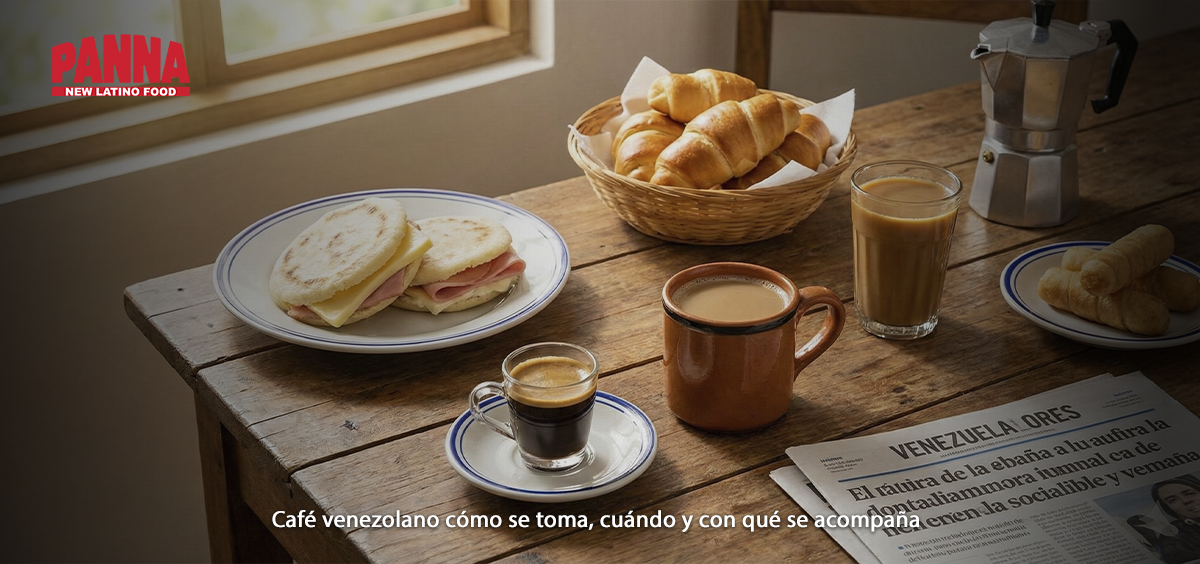
The first coffee of the day is almost sacred. It appears early, often before a full breakfast, as a starting signal. It can be a negrito, a marrón, or a guayoyo, depending on taste and region, but it always serves the same purpose: to wake you up. In many homes, it’s paired with a simple arepa, bread and butter, or a cachito; in others, it’s drunk black, standing up, while the house starts to wake.
This initial coffee doesn’t seek complexity… it needs to be strong, aromatic, and hot. A Venezuelan doesn’t usually measure it exactly or talk about flavor profiles; they trust their eyes and experience. If the coffee comes out “too light,” it gets made again. If it hits the spot, it is served without further comment. That practical relationship with the drink defines its everyday character.
MID-MORNING AND AFTERNOON: COFFEE AS A BREAK
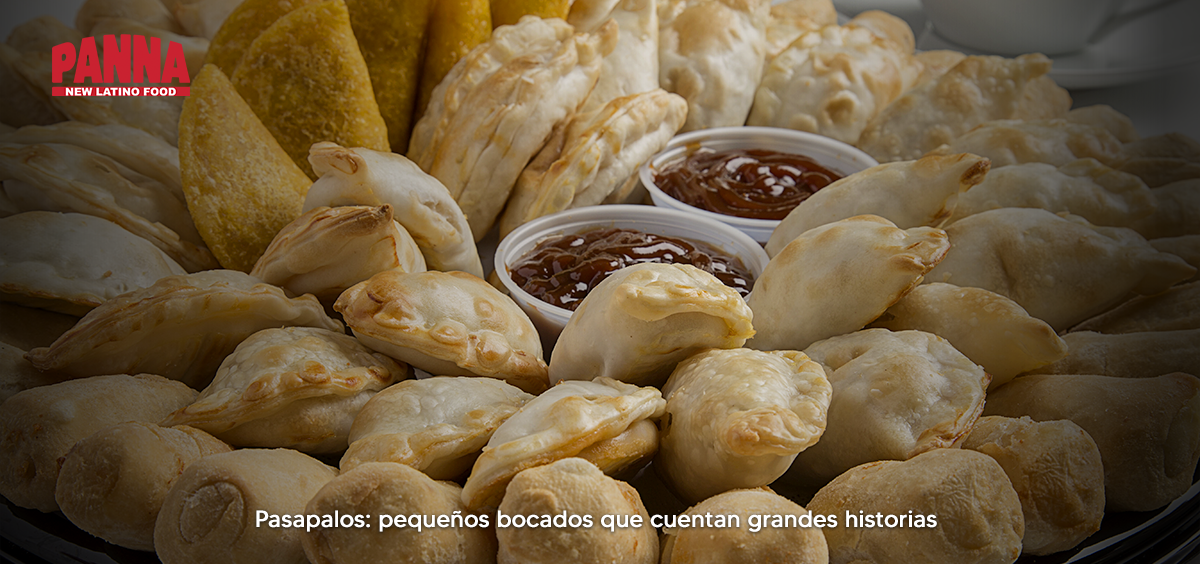
Mid-morning, coffee reappears as an excuse for a break. It is time to pair it with something small: an empanada, a pastelito, sweet bread, or a simple cookie. It isn’t a long rest; it’s a pause. The coffee helps you get back into the rhythm, stretch out a conversation, or mark a change of activity.
In the afternoon, especially at home, coffee becomes more social. It is served when a guest arrives or when the family gathers for a moment. In many cases, it is paired with bread, homemade cake, or leftover pan de jamón during the holidays. Here, coffee stops being purely functional and becomes a gesture of hospitality. Offering coffee is offering company.
CLASSIC WAYS TO DRINK IT
Venezuelan coffee has specific names that answer to customs rather than exact recipes.
- El negrito: Black coffee, strong and direct.
- El marrón: Combines coffee and milk in equal proportions.
- El con leche: Usually milder and larger (more milk).
- El guayoyo: Lighter and clearer, brewed with more water and drunk in large mugs.
These forms aren’t rigid, but they are recognizable. Each one answers to a time of day or a personal preference. There is no “correct” way; there are habits. That flexibility explains why coffee adapts so well to everyday life and why it remains a central drink at the Venezuelan table.
WHAT COFFEE IS PAIRED WITH
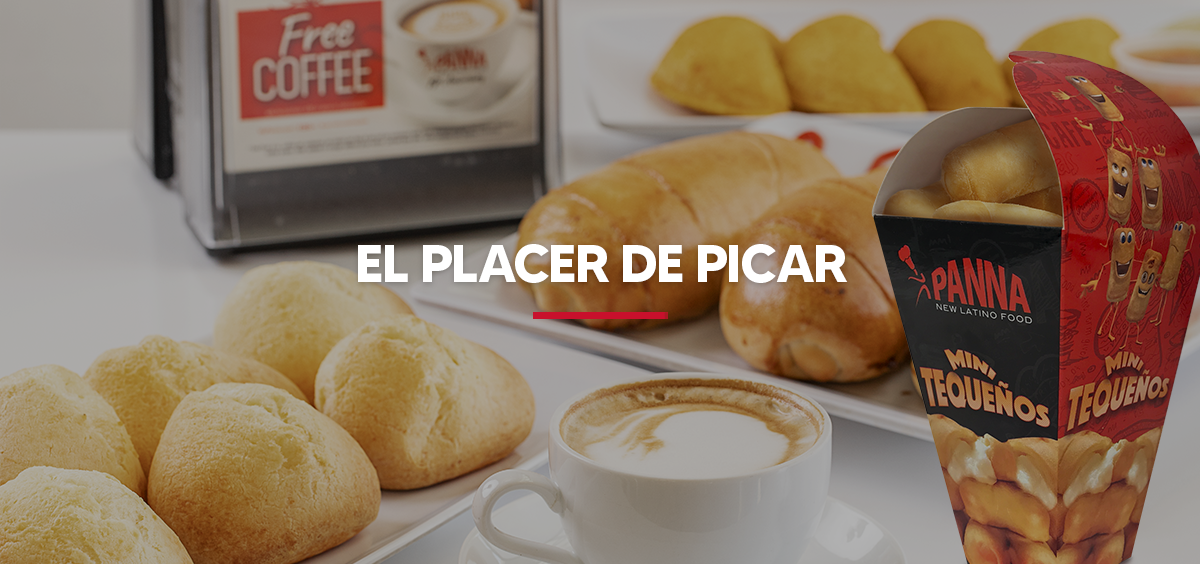
Coffee is rarely drunk alone… in Venezuelan food, it is almost always paired with something solid, even if it’s small: arepas, cachitos, empanadas, sweet bread, simple cakes, or even breakfast leftovers fill that role. Coffee works as a bridge between meals, not as a substitute. This custom reinforces its role within the logic of the table.
Coffee doesn’t replace breakfast or a snack; it accompanies them. It helps to wrap up flavors, lighten the feeling after eating, and prolong the moment around the table. That is why its presence is so constant and highly valued.
COFFEE AS EVERYDAY IDENTITY
Although Venezuela is a coffee-producing country, the daily relationship with the drink goes beyond the origin of the bean. It is a cultural relationship, built on daily use. Coffee accompanies conversations, impromptu visits, the end of a meal, and the start of a workday. It is present at work, at home, and on the street.
That total integration explains why coffee remains a key element for those looking for authentic Venezuelan food, even outside the country. Recognizing the flavor, the temperature, and the way it is served creates an immediate sense of familiarity. It is one of those details that connects directly with memory.
AT PANNA, COFFEE JUST LIKE AT HOME
At PANNA, coffee is served respecting that everyday logic. We brew it hot, fresh, and designed to accompany the food, not push it aside. It is part of breakfast, snack time, and the close of a good meal.
For those looking for Venezuelan food in Miami that keeps these real habits alive, coffee is a key piece. At PANNA, we understand it this way: not as a luxury or a trend, but as what it has always been… a necessary break, a loyal companion, and a custom that never fails.