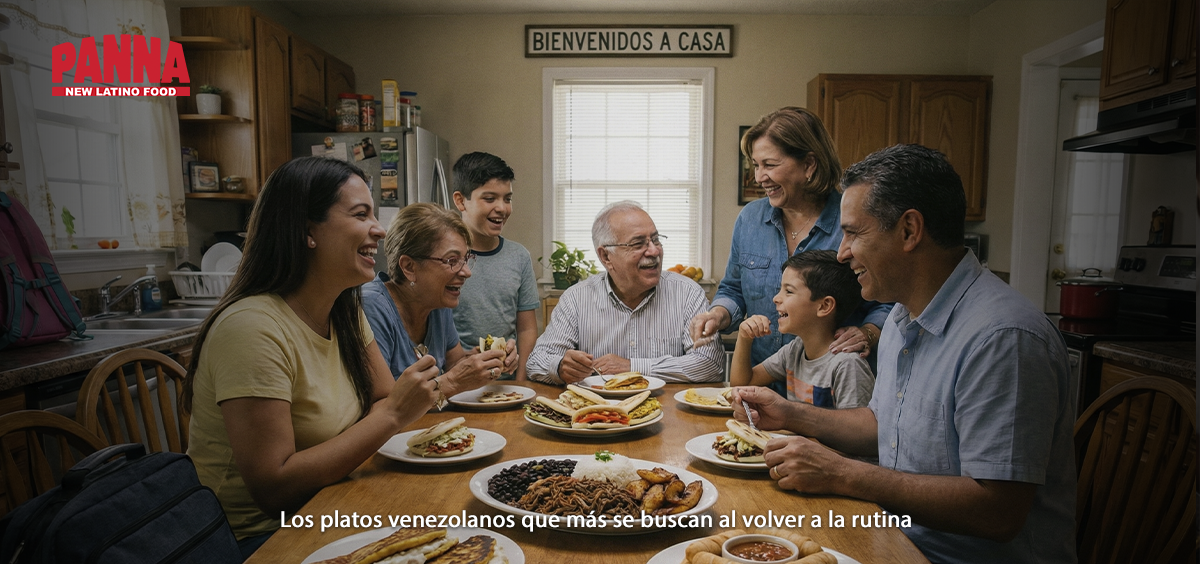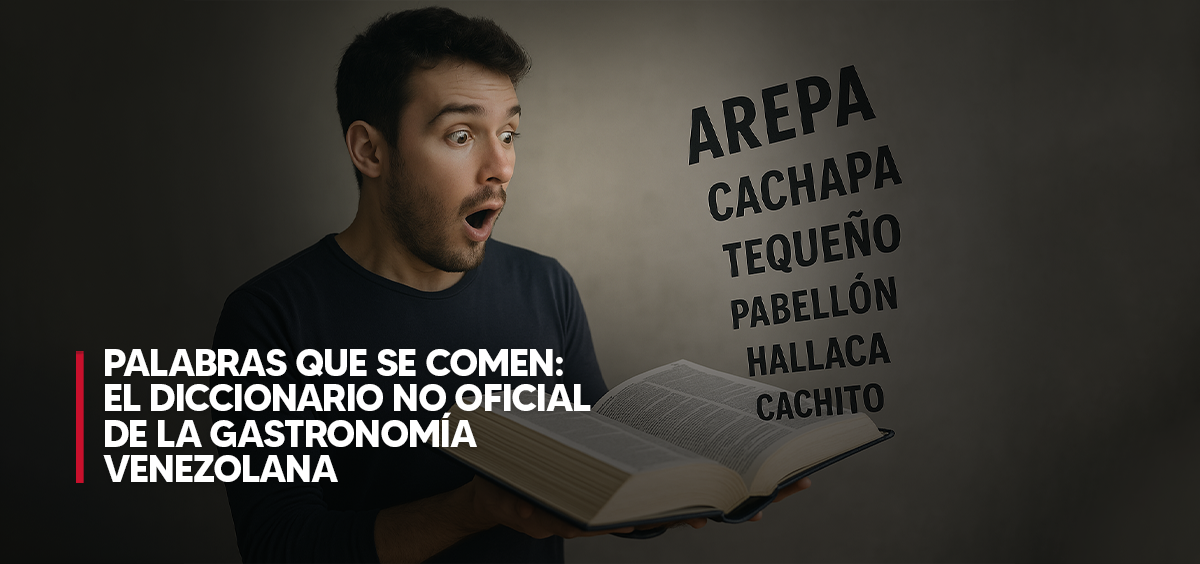
Words You Can Eat: Venezuelan cuisine isn’t just eaten; it’s spoken. There is a very specific way we name things, baptize flavors, and describe what happens at the table. And even if it’s not in any official dictionary, this gastronomic language is part of who we are.
In Venezuela, you don’t just order a cheese empanada; you ask for “una empanadita de queso bien tostadita” (a crispy little cheese empanada), and you tell them to keep the guasacaca jar close by. You don’t just eat an arepa; you order one with ham and queso ‘e mano, but you ask them to “sacarle la masa” (scoop out the dough) and add plenty of butter. These expressions do more than make us smile; they remind us that our gastronomy is alive, constantly evolving, and shaped by humor and daily life.
FROM THE KITCHEN TO THE TONGUE: FLAVORFUL SPEECH
Many of the terms we use when talking about food are unique to our culture and have no direct translation. How do you explain what an arepita e’ huevo, a tumbarrancho, a palo a pique, or a rompecolchón is without telling a whole story? How do you join the debate over whether sugar in the beans is a sacrilege or a delight without being Venezuelan?
Our language is seasoned. Between sauces, fried treats, fillings, and sides, there is poetry in what we say. It’s one thing to ask for chicken and rice… and a completely different thing to eat an “arrocito con su pollito guisado,” juicy and served with beans on the side.
WORDS ONLY A VENEZUELAN CAN TRULY TASTE
Here is a small selection from that “flavorful dictionary” we all carry inside:
- Guayoyo: A light black coffee that feels like a loving balm for the soul; it’s our go-to afternoon pick-me-up.
- Guisito: Any homemade preparation made with lots of love. It could be beef, chicken, or whatever is on hand, but it ALWAYS starts with a sofrito of ají dulce (sweet pepper).
- Levantamuerto: Literally “dead-raiser.” It refers to powerful, hearty soups like mondongo or sancocho. Its reputation for curing hangovers is legendary.
- Ajicito: That intense, potent, and slightly spicy touch that is mandatory for empanadas, arepas, and stews.
- Reina Pepiada: More than a name, it’s a legend. Our “curvy queen” arepa filled with chicken, avocado, and mayo, named in honor of a Miss World.
- Guarapo: Any refreshing, sweet, homemade drink—whether made from sugarcane, papelón with lemon, or whatever fruits are in the house.
- Conflé: A phonetic adaptation of “Corn Flakes.” It’s the cereal of our childhood, soaked in ice-cold milk and topped with sliced bananas (camburcito).
- Peroles: Technically “pots and pans,” but used to describe any kitchen gadget or, honestly, any object in the universe!
WHEN WORDS MAKE YOU HUNGRY
This dictionary is a reflection of how we live. The kitchen isn’t just a place to cook; it’s a meeting point for family and friends. Venezuelan food lives in the words, in the grandmother’s stories, and in the voice of the empanada vendor shouting, “¡Calienticas y recién salidas!” (Hot and fresh out of the fryer!).
ARE YOU MISSING A WORD? COME TO PANNA
At PANNA, we don’t just cook with ingredients; we cook with memory and identity. When you visit our Miami stores, you aren’t just eating an empanada or a pabellón; you are experiencing a piece of that flavorful language that unites us all.
We invite you to visit PANNA, taste our arepas, tequeños, and cachapas, and remember that here, more than just Venezuelan food, we serve stories told through the palate.