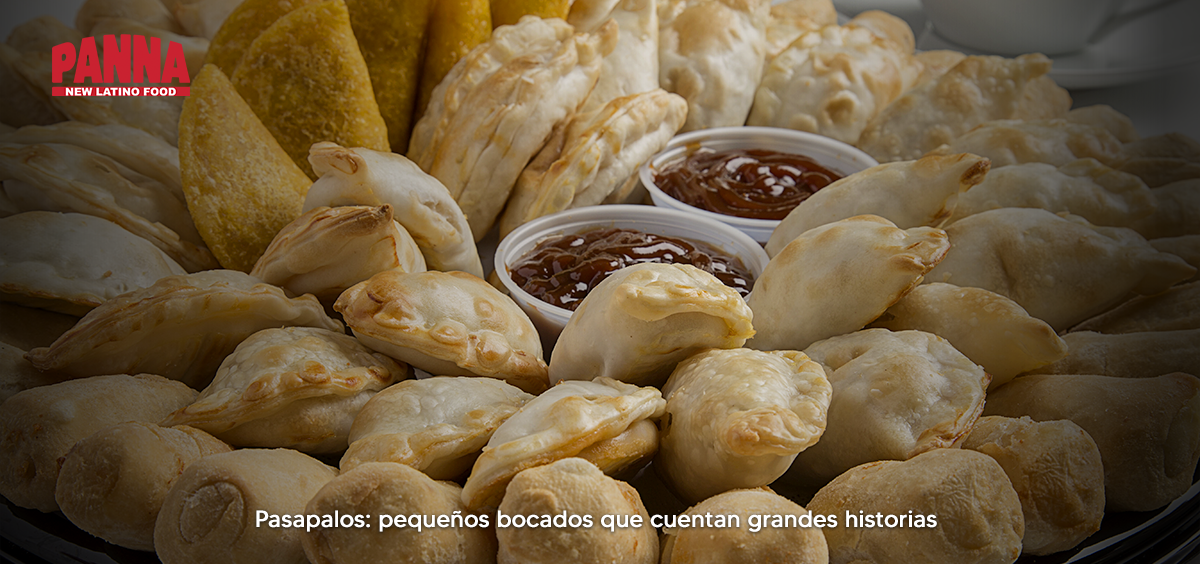
In Colombian, talking about empanadas means talking about family gatherings, walks through the town square, and impromptu stops at a street food stand. They are that bite that doesn’t just fill the stomach but brings people together in every corner of the country.
ORIGINS OF THE COLOMBIAN EMPANADA
The history of the empanada in Colombia dates back to the arrival of the Spanish. They brought with them recipes for wheat empanadas filled with meat and vegetables—a custom adopted from Moorish influence in the Iberian Peninsula.
But upon reaching these lands, the recipe was “tropicalized.” Here, indigenous cultures already used corn as their dietary staple, so it was natural for the empanada to start being prepared with corn dough, giving it that signature flavor we recognize from the very first bite.
Over time, the hands of grandmothers and mothers perfected the recipe. In regions like the Caribbean Coast, empanadas began incorporating local ingredients like plantain and coconut, reflecting the Afro-descendant influence in the kitchen.
EMPANADAS IN DAILY LIFE AND CELEBRATIONS
Empanadas aren’t just eaten on street corners or in marketplaces. They are present at every birthday, during Christmas, and even at weddings. In Colombia, a celebration without empanadas simply doesn’t feel complete.
In Antioquia, for example, it’s common for empanadas to be filled with chicharrón (pork belly) and potato, often cooked in wood-fired ovens for special occasions.
REGIONAL TYPES
- Valle del Cauca: Known for empanadas vallunas—small, crispy, filled with beef and potato, and served with ají valluno (spicy sauce).
- Antioquia: These empanadas tend to be larger and are almost always accompanied by a good ají or guacamole.
Every bite is a mix of textures and flavors that represent its specific region.
TRADITIONS AND FUN FACTS
- The Ají Rule: Spicy sauce is practically a requirement when eating empanadas. Every home has its own recipe; some even add fruit for a bittersweet touch.
- Local Economy: Many families depend on selling empanadas to make a living. This dish, simple in appearance, is part of the essence of what it means to be Colombian.
YOUR COLOMBIAN EMPANADA AT PANNA
If you’re craving a good empanada, at PANNA New Food Latino, you can enjoy these delicacies prepared in the traditional style. We use the best ingredients and techniques that honor the original recipe.
Come and try them, or take them home frozen to enjoy whenever you like. ¿Malo? ¡Malo no es!