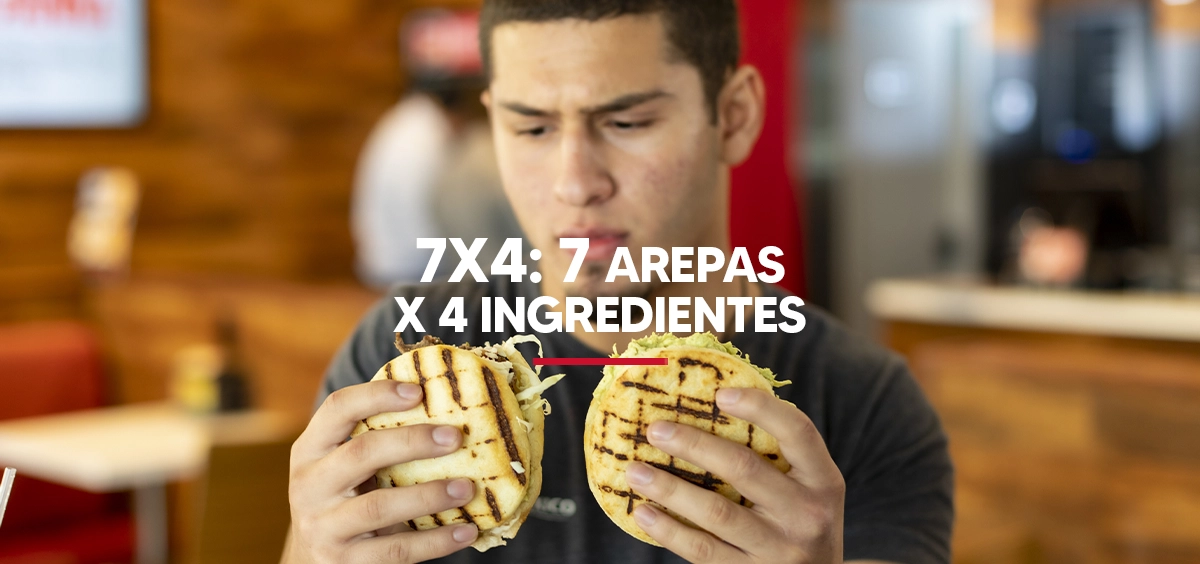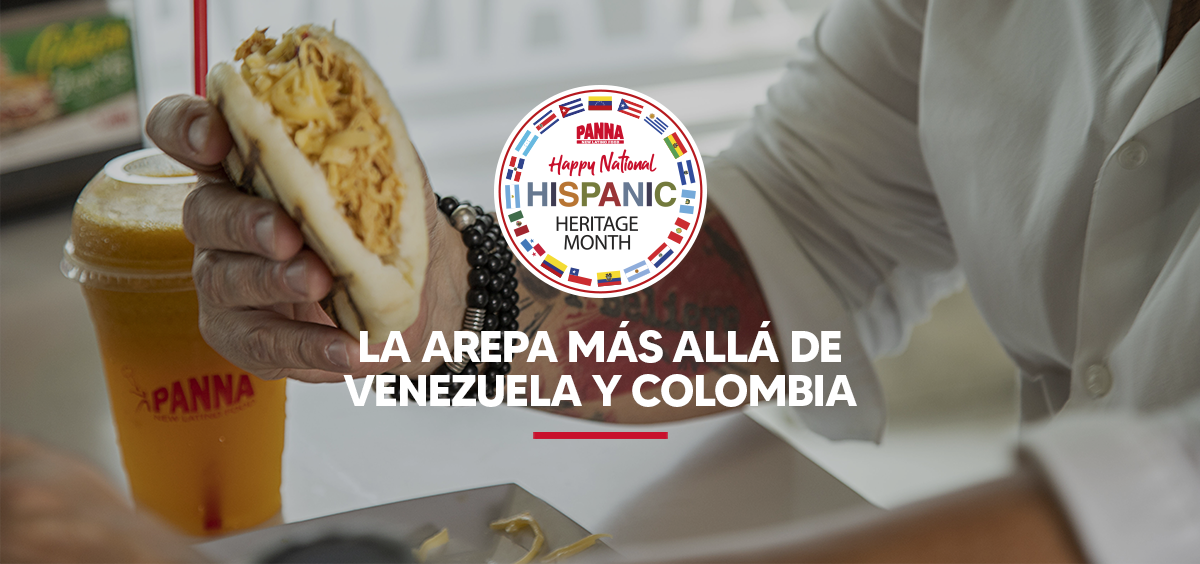
When we think of arepa, Venezuela and Colombia immediately come to mind. It’s a cultural icon, a daily staple, and—let’s be honest—the root of an ancient (and friendly) rivalry.
However, the influence of the arepa stretches far beyond these two sister nations. As we continue celebrating Hispanic Heritage Month, let’s talk about “the others.” Across Latin America, different versions of this traditional food have developed, reflecting the cultural richness of ingredients like corn, wheat, and coconut.
PANAMA: THE VERSATILITY OF CORN
1. The Panamanian Tortilla In Panama, the arepa is known as a “tortilla.” While basic preparation is similar, Panamanian tortillas are thicker with a crunchy exterior and a soft heart. They are made with ground corn and cooked on a comal (griddle) to get that toasted corn flavor. 2. Regional Twists In rural areas like Chiriquí, they use maíz pilado (peeled and cooked corn). A sweeter version, the “torrejita de maíz nuevo,” is made with tender corn and deep-fried until golden—perfect with a hot cup of coffee.
PUERTO RICO: A CARIBBEAN TOUCH
1. The Puerto Rican Arepa: Sweet and Savory In Puerto Rico, an “arepa” is more like a fried bread made from wheat flour. They can be stuffed with anything!
- Arepa de Coco: A sweet version filled with grated coconut and sugar.
- Seafood Fillings: In coastal towns, it’s common to find them stuffed with shrimp or cod (bacalao). 2. Cultural Mix These arepas reflect a blend of Indigenous, African, and Spanish techniques. You’ll find them at local festivals alongside mofongo and tostones.
ECUADOR: HIGHLAND INTERPRETATION
1. Tortilla de Maíz In the Andean regions of Ecuador, the arepa is called “tortilla de maíz.” They use dried corn that is cooked and ground into a dough, then shaped into small cakes and cooked on a griddle. 2. The Cheese Factor The most famous version is the “tortilla de maíz con queso,” served with a generous amount of fresh cheese inside or sprinkled on top. They are a staple at mountain markets and fairs.
EL SALVADOR: THE PUPUSA
1. The Famous Cousin In El Salvador, they don’t say “arepa,” they say “pupusa.” These are thick corn tortillas stuffed before cooking with ingredients like cheese, pork (chicharrón), beans, or squash. 2. Serving Style They are served with curtido (pickled cabbage and carrot salad) and tomato sauce. Every second Sunday of November, El Salvador celebrates National Pupusa Day.
COSTA RICA: THE CENTRAL AMERICAN STYLE
1. Torta de Maíz In Costa Rica, it’s known as a “torta de maíz.” These are flat, round, and have a spongy texture achieved by whisking the dough before cooking. 2. Breakfast Essential It is a key part of the traditional breakfast, served alongside “gallo pinto” (rice and beans), sour cream (natilla), and fresh cheese.
ONE THOUSAND AREPAS, ONE TRADITION
The arepa has proven to be a versatile food that transcends borders. From the highlands of Ecuador to the coasts of Puerto Rico, the essence remains the same: a shared culinary tradition that unites Latin America.
Come to PANNA New Food Latino and enjoy a unique culinary experience with our arepas and so many other tasty things… we have something for everyone!